
2026 update: I’m keeping this post as a “where I started” snapshot, but I’ve corrected a few risky/imprecise points and added links to newer, more practical resources — especially on curing. If you’re new, read this first: https://tamenuri.com/curing-urushi-concept-tips-qa/
Since I started publishing my fountain pens finished with urushi lacquer, I’ve kept getting the same two questions (from friends and complete strangers):
1) What about rash? Allergy?
2) How do I start?
About the rash: I personally do not react to urushiol (漆酚 / urushiol). No rash, no drama. I found out the boring way: early on I worked like everyone should (gloves, sleeves, careful cleanup), and later I had an accidental skin contact that produced no reaction. Important: do not take this as a hint that you’ll be fine. Many people react strongly, and some people become sensitized over time. Treat wet urushi as a real allergen. Use gloves, long sleeves, and a strict “don’t touch your face, don’t touch random things” workflow.
The second question (“how to start?”) has a much longer answer. I started with research — deep, obsessive research. Books, documents, old forum posts, a lot of Japanese material, and a lot of bad machine translation. It took me about a year before I touched uncured urushi.
It all started with Nakaya. I waited two months, and when it finally arrived I was… confused in the best way. A Nakaya Decapod Twist: fantastic pen, incredible urushi finish (tamenuri [溜塗]), and a perfect soft medium nib. The surface was unlike anything I had seen or touched before. That was the moment I started digging.

Back then (2019/2020) YouTube didn’t have much reliable urushi content in English, and even in Japanese it wasn’t as searchable as it is today. I had to hunt for channels, individual videos, and fragments of workshop footage. These days there’s a lot more out there — but the same rule still applies: you need to separate “beautiful video” from “repeatable process.” If you want the practical framework that actually prevents months of frustration, start with curing fundamentals here: https://tamenuri.com/curing-urushi-concept-tips-qa/
Then came the next problem: where do you buy this stuff? When I began, even on FPN / FPGeeks the information was scattered. I eventually found a few reliable sources, and most of my supplies have been coming from Japan ever since.
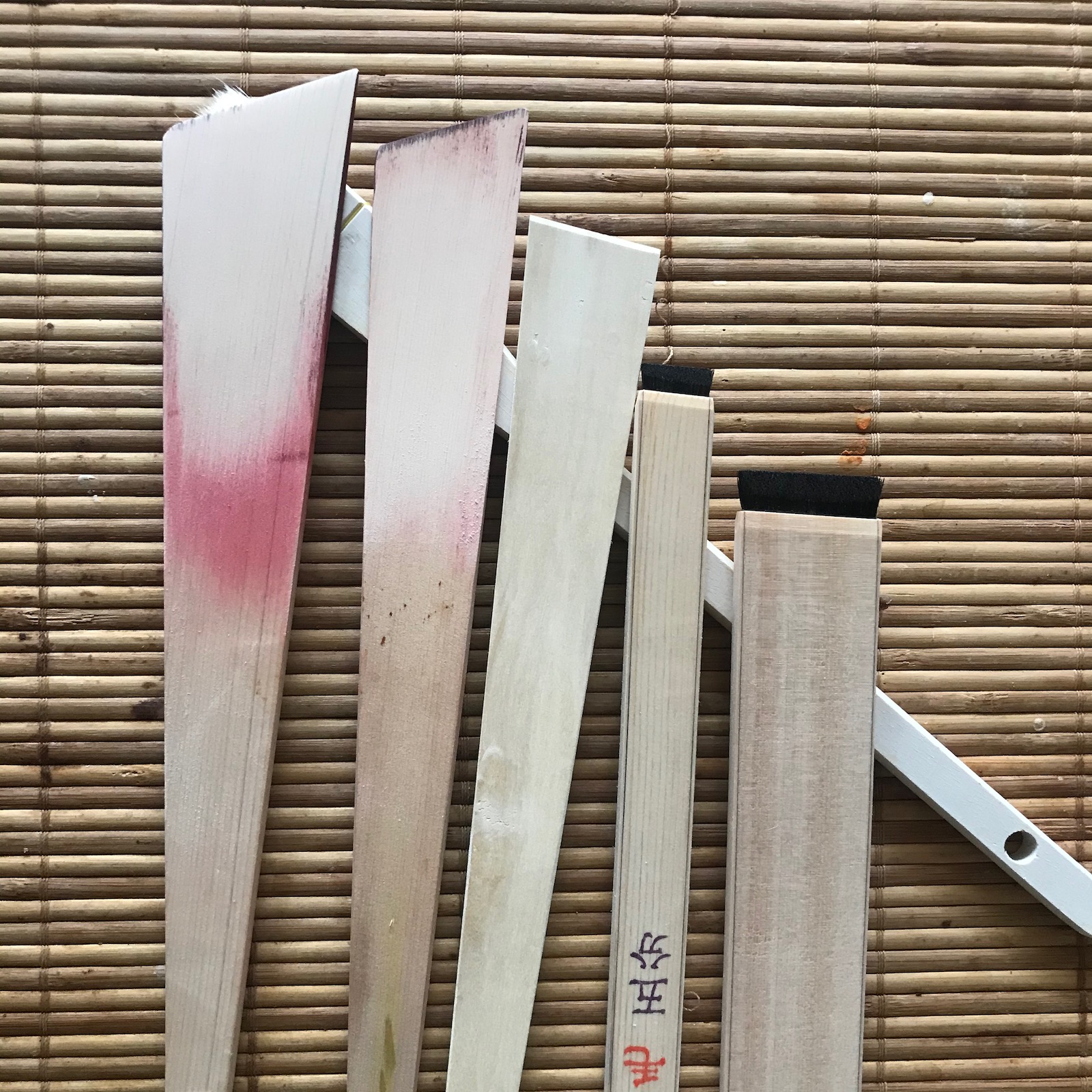
Then came the learning curve. Tons and tons of mistakes. It is genuinely hard. Urushi didn’t cure (or cured too fast and wrinkled). Layers were too thin or too thick. Surfaces weren’t even. Dust appeared out of nowhere. Brushes were their own separate learning curve: I bought around 30 at that time — many “great quality” artist brushes that were simply wrong for urushi. And surprisingly, a few cheap synthetics worked better than expected. I dreamed about a proper Japanese flat brush — a hake (刷毛 / hake) — finally bought one, and then… couldn’t use it. Even after months, it felt like trying to write calligraphy with a mop.
I was still at the very beginning then. But I already knew I had found my thing.


It did a little less research and I’m figuring things out along the way. Nevertheless it is great to see this art is still alive and kicking. Go on, your work rocks
I was reading and for me was like I’m reading an adventure book. Word after word I felt so much passion to start experiencing Urushi.
I’m hungry to read and learn more about it.
Bring it on Bro!
Exactly following similar steps Michal, same started with just a Nakaya Long Cigar and I know that I want all my pens like that 🙂